
How to Store Sweaters in the Summer
—
January 23rd, 2026
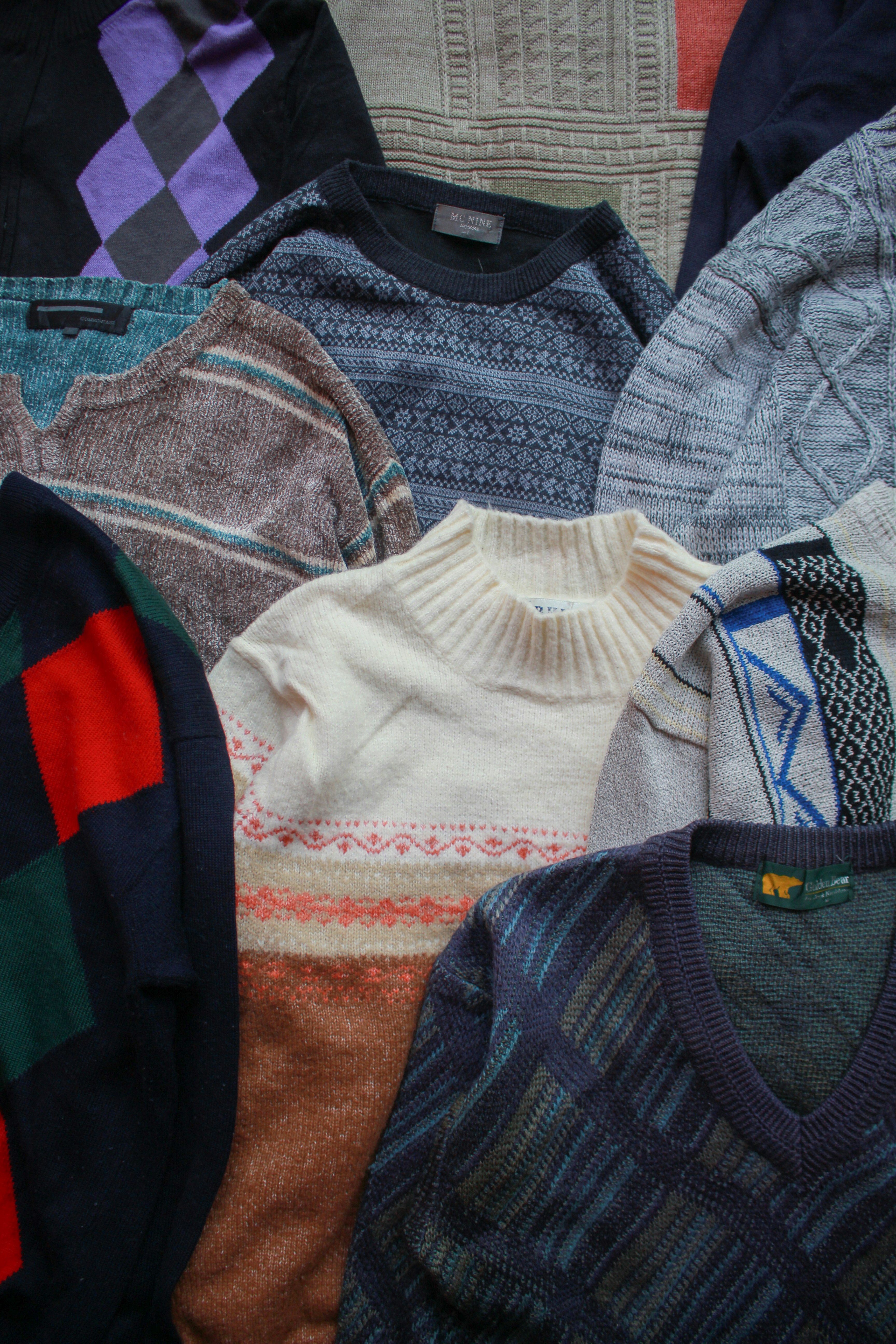
Sweaters are designed to keep you warm, not to sit untouched through months of summer heat. When stored incorrectly, they can lose their shape, develop odors, or become damaged by pests and moisture. Knowing how to store sweaters in the summer is essential for keeping them in good condition and ready to wear when cooler weather returns.In North Idaho, seasonal shifts bring warmer temperatures, fluctuating humidity, and the potential for pests. These factors make proper summer sweater storage more important than many people realize. This guide explains how to prepare, pack, and store sweaters safely using best practices that apply to both home storage and storage units like those available at Westwood Storage Center.
Why Summer Sweater Storage Requires Extra Care
Sweaters are often made from natural fibers such as wool, cashmere, and cotton. These materials react to heat, moisture, and pressure differently than lightweight summer clothing. During summer months, trapped heat and humidity can lead to mildew, fabric breakdown, and insect damage if sweaters are not stored correctly.In Rathdrum and surrounding areas, summer temperatures can rise while humidity levels fluctuate. Even if clothing feels dry when packed away, moisture in the air can slowly work its way into storage containers. Understanding these environmental factors is the first step in learning how to store sweaters in the summer without causing long term damage.
Preparing Sweaters Before Storage
Preparation determines how well sweaters survive the summer. The most important rule is to never store sweaters that have been worn but not cleaned. Body oils, sweat, and small food particles attract insects such as moths and carpet beetles.Wash or dry clean sweaters according to their care labels. Wool and cashmere often require gentle detergents or professional cleaning. Cotton and synthetic blends may tolerate machine washing, but always follow manufacturer instructions. After cleaning, allow sweaters to dry completely. Any lingering moisture can lead to mold growth over time.Once dry, inspect each sweater for loose threads, small holes, or stains. Addressing minor issues before storage prevents them from worsening while the garment is out of sight.
Understanding Different Sweater Materials
Not all sweaters should be stored the same way. Fabric type plays a major role in how items should be folded, packed, and protected.Wool and cashmere are highly sensitive to heat and pests. They require breathable storage solutions and protection from insects. Cotton sweaters are more durable but still prone to creasing and mildew if packed tightly. Synthetic sweaters resist pests better but can trap odors if stored without airflow.Grouping sweaters by material before storage allows you to choose the most appropriate containers and protective measures for each type.
Folding Techniques That Protect Shape
Hanging sweaters for long periods can cause stretching, especially at the shoulders. Folding is the safest option for summer storage.Lay sweaters flat on a clean surface. Fold arms inward gently, avoiding sharp creases. Fold from the bottom up rather than compressing from the top down. This method helps maintain shape and reduces stress on seams.Avoid rolling sweaters tightly. Compression may save space but increases the risk of permanent creases and fabric distortion.
Choosing the Right Storage Containers
The container you choose directly impacts how well sweaters hold up over summer. Plastic bins with tight fitting lids offer protection from dust and pests, but airflow must still be considered. If using plastic bins, ensure sweaters are completely dry and avoid overpacking.Breathable fabric storage bags work well for natural fibers. These allow air circulation while preventing dust buildup. Avoid vacuum sealed bags for sweaters made from wool or cashmere. Compression can damage fibers and flatten natural loft.When using a storage unit, place containers off the floor on shelving or pallets. This improves airflow and reduces exposure to potential moisture.
Managing Heat and Humidity in Summer Storage
Heat and humidity are two of the biggest threats to stored sweaters. High temperatures can weaken fibers, while moisture encourages mold and mildew growth.In North Idaho, summer conditions can change quickly. Even shaded areas may experience temperature fluctuations. A clean, well maintained storage unit offers more consistent conditions than garages or sheds, which are often exposed to direct heat and pests.Adding moisture absorbers to storage containers can help manage humidity. These products are especially useful when storing sweaters for several months at a time.
Preventing Pest Damage
Moths and carpet beetles are attracted to natural fibers, particularly when clothing contains trace oils or food residue. Proper cleaning is the first defense, but additional steps can help keep bugs and critters out of your belongings. Use cedar blocks or lavender sachets instead of chemical mothballs. Cedar naturally repels insects without leaving strong odors that linger in fabric. Place repellents near sweaters but avoid direct contact that could stain delicate fibers.Regular inspection is also important. If using a storage unit, check items periodically when possible to ensure no signs of pest activity are present.
Storing Sweaters in a Storage Unit
A storage unit can be a practical solution for seasonal clothing rotation, especially when closet space is limited. Knowing how to store sweaters in the summer within a storage unit requires thoughtful organization.Place sweater containers toward the middle or top of the unit, away from exterior walls where temperature changes are more noticeable. Avoid stacking heavy items on top of clothing containers. Weight can compress fibers and distort folded garments.Facilities like Westwood Storage Center provide clean, secure storage spaces that help protect items from environmental exposure. Using shelving and maintaining space between containers improves airflow and accessibility.
Short Term vs Long Term Summer Storage
Short term storage may involve just a few months, while long term storage could last through multiple seasons. The longer sweaters are stored, the more important preparation and monitoring become.For long term storage, rotate sweaters occasionally if possible. Refolding garments every few months reduces crease formation. Replace moisture absorbers as needed to maintain effectiveness.Label containers clearly so items can be located without unnecessary handling. Minimizing disturbance helps keep sweaters in stable condition.
Common Mistakes to Avoid
One of the most common mistakes is storing sweaters without cleaning them first. Another is using airtight plastic bags that trap moisture. Overpacking containers and placing them directly on concrete floors can also lead to damage.Avoid hanging sweaters or folding them too tightly. These practices may seem convenient but often result in stretching and permanent creases.
Keeping Sweaters Ready for Fall
When summer ends, properly stored sweaters should feel fresh and retain their original shape. Remove them from storage gradually and allow them to air out before wearing. Light steaming can help relax minor wrinkles without stressing fibers.By following these steps and understanding how to store sweaters in the summer, you can extend the life of your clothing and avoid unnecessary replacements.
Final Thoughts on Summer Sweater Storage
Sweaters represent an investment in comfort and style. Taking the time to store them correctly during summer protects that investment. Clean garments, thoughtful folding, breathable containers, and climate awareness all play a role in successful storage. A well organized storage unit can support seasonal transitions and free up space at home. At Westwood Storage Center, we can help you with proper care so sweaters stored through the summer will be ready when cooler temperatures return.
Categories