
Is Your Laundry Room Torn Apart? Here’s the Smart Way to Store a Washer and Dryer During Remodeling
Is Your Laundry Room Torn Apart? Here’s the Smart Way to Store a Washer and Dryer During Remodeling
Alicia Aguirre
May 14th, 2026
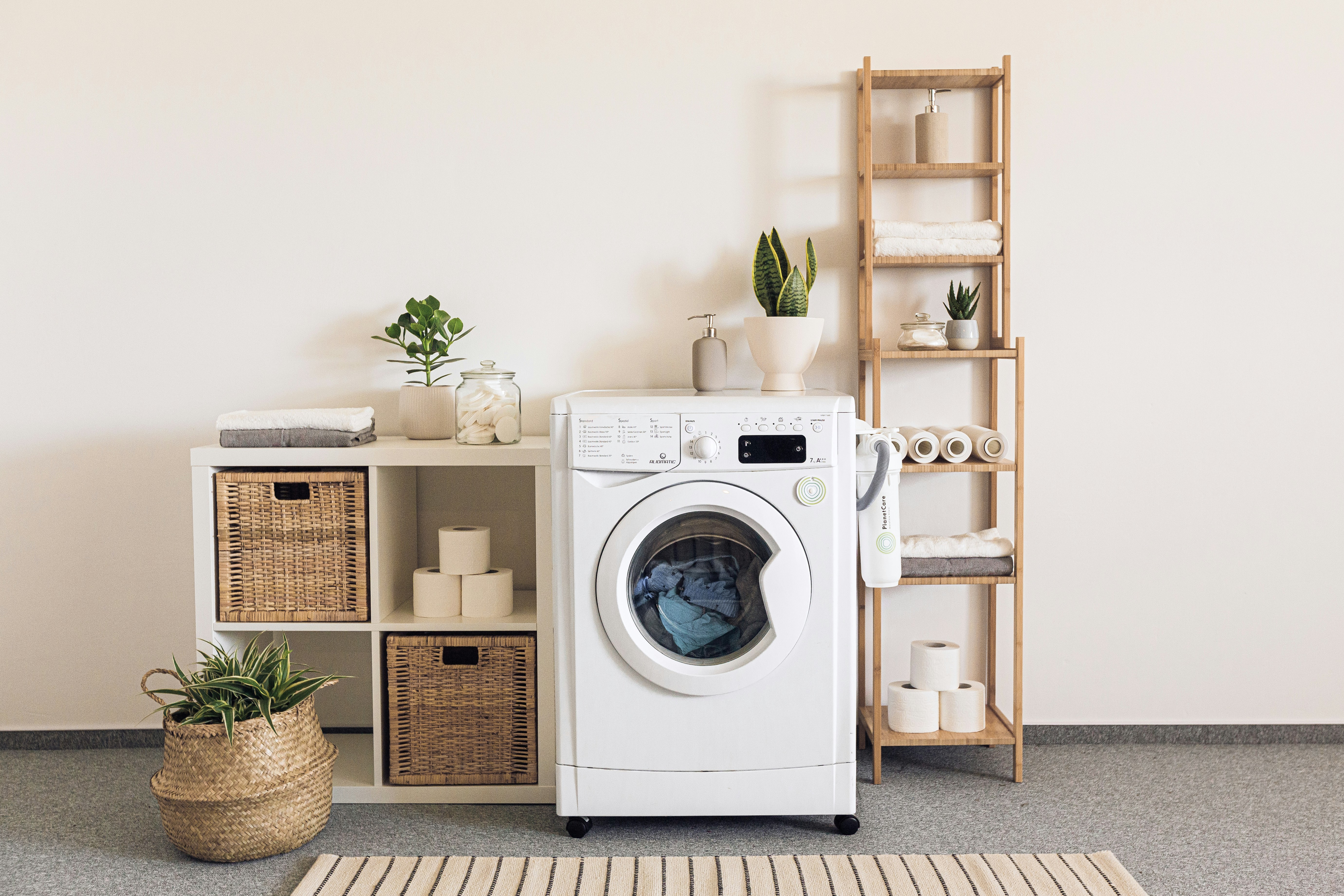
Home remodeling projects tend to spread faster than most homeowners expect. What begins as a simple laundry room upgrade can quickly involve flooring removal, plumbing work, drywall dust, paint fumes, and crowded hallways filled with tools and construction materials. In the middle of all that activity, washers and dryers often become oversized obstacles that are difficult to protect properly. Since these appliances are expensive and sensitive to moisture, dust, and impact damage, temporary storage becomes one of the most important parts of the renovation process.
For homeowners researching storage options in Rathdrum, having a dedicated space for large appliances can make a remodeling project feel significantly more organized from the beginning. Instead of shifting a washer and dryer from room to room while contractors work around them, a secure storage setup creates breathing room while helping prevent accidental damage during construction.
At the same time, remodeling in northern Idaho comes with a few extra considerations. Rathdrum homeowners experience changing temperatures throughout the year, and moisture control matters more than many people realize when storing appliances. Whether you are updating an older laundry room, replacing flooring, or expanding a utility space, knowing how to prepare a storage washer and dryer setup correctly can help you avoid mildew, rust, odors, and costly repairs once the remodel is finished.
Additionally, many residents in Rathdrum balance home improvement projects with active outdoor lifestyles. Between weekends spent hiking nearby trails, fishing around Hauser Lake, or enjoying the recreation opportunities throughout Kootenai County, homeowners often prefer renovation plans that stay manageable rather than overwhelming. A carefully planned storage solution helps reduce clutter and keeps the project moving more smoothly from start to finish.
Key Points for Readers Short on Time
- Washers and dryers should always be cleaned and completely dried before storage
- Moisture and temperature fluctuations can damage appliances during remodeling
- Climate-controlled storage offers better protection for internal components
- Keeping appliance doors slightly open helps prevent mildew and odor buildup
- Organized storage placement reduces the risk of dents, scratches, and shifting during transport
Why Remodeling Can Be Tough on Laundry Appliances
At first glance, washers and dryers seem durable enough to handle temporary inconvenience. After all, they are large household machines built for regular use. However, remodeling environments introduce several conditions that appliances are not designed to tolerate for extended periods of time. For example, construction dust can settle inside dryer vents, electrical panels, and washer seals faster than most homeowners expect. Drywall particles, sawdust, insulation fibers, and paint residue all have the potential to affect appliance performance if the machines are left exposed during renovation work. In many cases, homeowners only notice the impact weeks later, once the appliances are reinstalled and running again.
Meanwhile, moisture creates an entirely different set of problems. Washers naturally retain small amounts of water inside hoses, pumps, and seals even after they are disconnected. If that moisture becomes trapped inside a closed appliance during storage, mildew and unpleasant odors can develop surprisingly quickly. Dryers also need careful attention before storage. Although they do not hold water like washers, leftover lint combined with humidity can create stale odors and even encourage mold growth in certain conditions. Furthermore, dryers stored in garages or sheds during cold Idaho weather may experience condensation buildup inside metal components as temperatures fluctuate. Because of this, storing appliances properly is not simply about clearing space during a remodel. It is about preserving the condition and lifespan of machines that homeowners rely on every week.
Start With a Thorough Cleaning Before Anything Else
Before disconnecting appliances, homeowners should take the time to clean both the washer and dryer completely. While it may feel unnecessary during the chaos of remodeling preparation, this step prevents several avoidable problems later. First, washers should go through a final hot water cleaning cycle using either a commercial washer cleaner or a vinegar-based solution. This helps remove detergent residue, bacteria, and trapped debris that may otherwise sit inside the machine during storage. Once the cycle is complete, the interior drum, detergent tray, rubber door seal, and hose connections should all be wiped down carefully. Front-loading washers deserve extra attention because moisture tends to collect around the rubber gasket near the door. Even a small amount of trapped water can create mildew odors over time if the machine remains sealed during storage.
Next, dryers should be cleaned just as thoroughly. Many people remove lint from the trap regularly, but forget about lint buildup inside vent openings or beneath the lint screen compartment. Vacuuming these areas before storage helps eliminate dust and moisture retention later. After cleaning both appliances:
- Leave doors open for several hours to air dry completely
- Disconnect hoses and drain any remaining water carefully
- Secure cords loosely with ties rather than adhesive tape
- Store small accessories together in labeled containers
- Inspect hoses and vent attachments for signs of wear
Although these steps take additional time upfront, they significantly reduce the chances of unpleasant surprises once the remodeling project is complete.
Why Climate Controlled Storage Matters in Rathdrum
Many homeowners initially assume that a garage, workshop, or backyard shed will work fine for temporary appliance storage. Unfortunately, those environments often expose washers and dryers to unstable temperatures and excess humidity, especially during seasonal weather changes in northern Idaho. Rathdrum experiences cold winters, wet conditions, and fluctuating temperatures throughout the year. As a result, condensation can form inside appliances when warm air meets cold metal surfaces. Over time, this moisture can contribute to rust, corrosion, and internal electrical damage.
Consequently, climate-controlled storage provides a much safer environment for major appliances during remodeling projects. Stable temperatures help reduce condensation risks, while lower humidity levels protect sensitive internal components. Storage professionals consistently recommend climate control for appliance storage because humidity exposure can shorten appliance lifespan and increase the likelihood of odor and mold problems. Beyond appliance protection, off-site storage also helps simplify the remodeling process itself. Contractors can move more freely, flooring crews have unobstructed access, and homeowners avoid squeezing around oversized machines during daily routines.
For many households in Rathdrum, that added convenience becomes especially valuable during busy seasons filled with outdoor recreation. The city continues to attract residents who enjoy nearby parks, trails, lakes, and community recreation areas throughout Kootenai County. When weekends are already packed with activities, keeping a renovation organized helps prevent the entire home from feeling consumed by construction.
Moving a Washer and Dryer Requires More Planning Than Most People Expect
Once appliances are cleaned and disconnected, the next challenge becomes moving them safely into storage. Since washers and dryers are both heavy and awkwardly shaped, improper handling often leads to dents, scratched flooring, or internal appliance damage. Washers, in particular, contain suspension systems designed to stabilize the drum during operation. During transportation, however, those same components can shift unexpectedly if the drum is not secured correctly. Many manufacturers include shipping bolts specifically for this reason. If you still have the original packaging hardware, reinstalling those bolts before transport helps protect the washer’s internal structure. In addition, both appliances should remain upright whenever possible. Tilting or laying machines on their sides can damage components or allow fluids to shift into areas where they do not belong. A few precautions make transportation safer:
- Use appliance dollies with locking straps
- Wrap machines with moving blankets for protection
- Avoid dragging appliances across hard flooring
- Secure appliances tightly inside moving vehicles
- Keep pathways clear during loading and unloading
These steps become even more important during larger remodeling projects where multiple furniture pieces, cabinets, and boxes are already moving around the home. In fact, organization inside the storage unit itself can have a major impact on how smoothly the project unfolds. Homeowners juggling several rooms’ worth of belongings may benefit from reading the smart way to pack your storage unit like a pro, which explains how to maximize storage space without creating clutter or damaging stored items.
The Right Way to Position Appliances Inside a Storage Unit
Once the washer and dryer arrive at the storage facility, placement matters just as much as preparation. Simply pushing appliances into the nearest open corner may save time initially, but it can create ventilation and access problems later. Ideally, washers and dryers should sit slightly elevated off the floor using pallets or boards. This extra separation helps reduce exposure to potential moisture while improving airflow underneath the appliances.
At the same time, the spacing between stored items matters more than many homeowners realize. Appliances packed tightly against walls or furniture may trap humidity and limit ventilation. Leaving a small amount of breathing room around the machines allows air circulation to continue throughout the storage period. Another important detail involves appliance doors. While closing washer and dryer doors completely may seem cleaner, slightly open doors actually help prevent mildew and stale odors from developing inside the machines.
Common Storage Washer and Dryer Mistakes That Cause Damage
Even homeowners who prepare carefully sometimes make a few small mistakes that create larger issues later. Unfortunately, many appliance storage problems are not obvious until weeks or months after the remodel ends. For example, one of the most common mistakes involves leaving residual water inside washer hoses or pumps. During colder temperatures, trapped water may freeze and damage internal components. During warmer conditions, that same moisture often creates mildew odors that become difficult to remove.
Another frequent issue involves sealing appliances too tightly. While homeowners naturally want to protect appliances from dust, airtight coverings trap humidity inside and encourage condensation buildup. Additionally, storing washers and dryers outdoors under tarps may seem like a temporary solution, but exposure to temperature swings and moisture often creates long term problems.
Fortunately, most of these issues are entirely preventable with proper planning. For larger renovation projects involving furniture, appliances, and household belongings all at once, selecting the correct unit size also becomes important. Homeowners planning temporary storage during construction may find useful guidance in this article about temporary storage during renovation and choosing the right unit size.
How Long Can Washers and Dryers Stay in Storage?
When appliances are prepared properly, washers and dryers can remain in storage for extended periods without major concerns. However, long-term storage still benefits from occasional inspection, especially during remodeling projects that experience delays. Checking on appliances periodically allows homeowners to monitor humidity levels, airflow, and overall storage conditions. Even simple tasks like replacing moisture absorbers or adjusting appliance covers can help maintain a safer environment over time.
Reinstalling Appliances After the Remodel Is Complete
Once construction wraps up, homeowners are often eager to reconnect appliances immediately and move back into normal routines. However, taking a few additional precautions before reinstallation helps ensure washers and dryers operate properly after storage. First, inspect all hoses, vent lines, and electrical cords carefully. Remodeling projects often involve dust and debris that may settle inside connection points or vents during transportation and storage. Next, wipe down all exterior surfaces thoroughly before reconnecting utilities. If appliances were stored during colder weather, allowing them to reach room temperature before use can also help prevent condensation-related issues.
A More Organized Remodel Starts With Better Storage Planning
Laundry room remodeling projects involve enough moving parts already. Between scheduling contractors, managing timelines, protecting flooring, and organizing household routines, large appliances can quickly become frustrating obstacles if there is no clear storage plan in place. Fortunately, preparing a storage washer and dryer setup properly creates far less stress throughout the remodeling process. Appliances stay cleaner, contractors work more efficiently, and homeowners avoid unnecessary damage caused by moisture, dust, or crowded conditions.
For homeowners exploring storage options in Rathdrum, careful appliance storage offers a practical way to protect valuable equipment while creating more flexibility during home renovations. With the right preparation, washers and dryers can stay in excellent condition throughout the project and return to service smoothly once the remodeling work is finally complete.
Categories