
Load It Right, Move It Safely: A Guide to Packing and Unloading a Moving Truck
Load It Right, Move It Safely: A Guide to Packing and Unloading a Moving Truck
Josh Summerhays
November 3rd, 2026
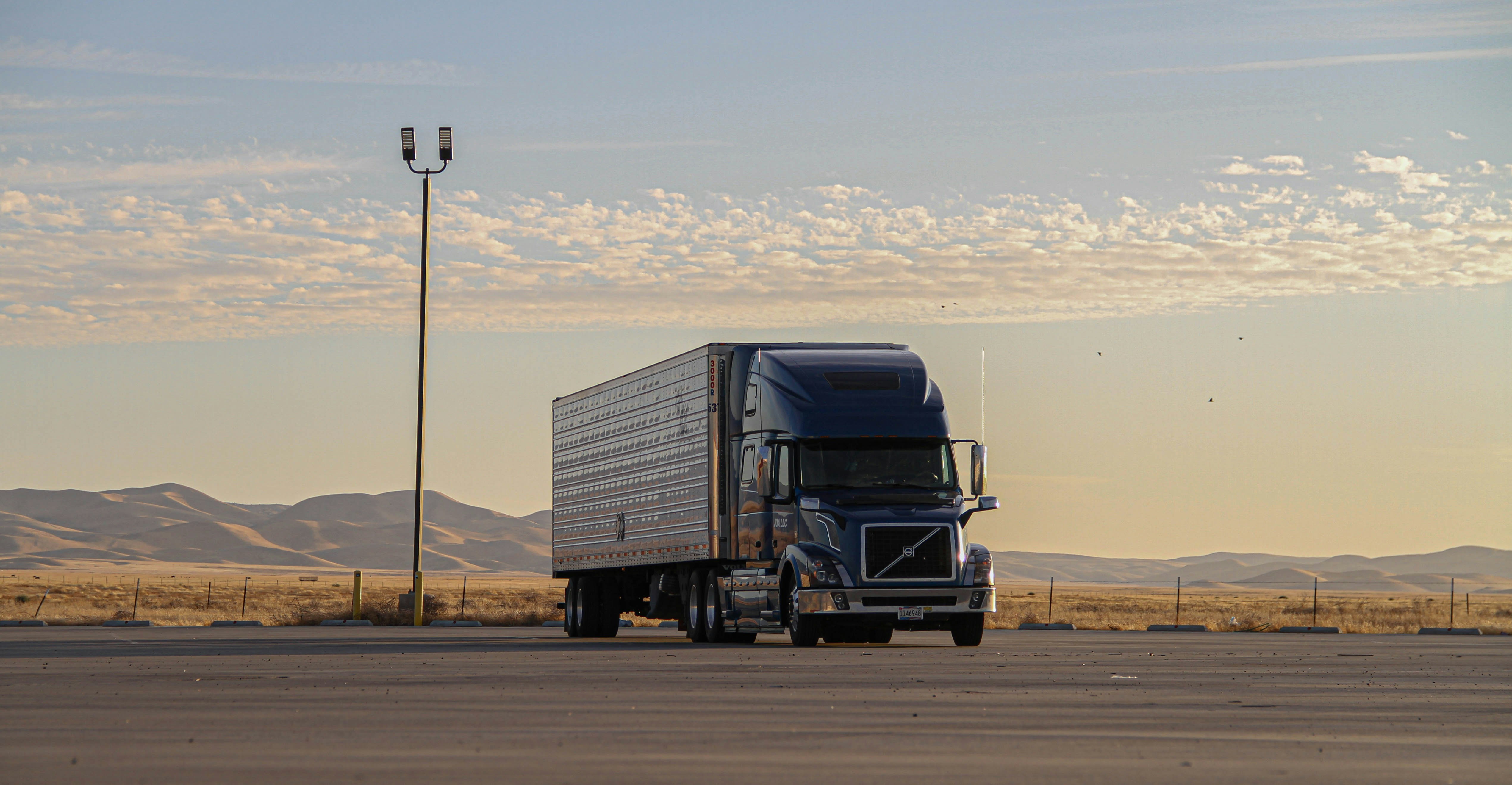
Moving day involves more than carrying boxes from one place to another. How you arrange furniture, distribute weight, and secure belongings inside a moving truck affects how safely everything travels and how easily you can unload it. A poorly organized truck can leave furniture scratched, boxes crushed, and heavy items difficult to reach. If you're preparing for a move in Rathdrum, Idaho, learning how to load and unload a moving truck can save you from unnecessary lifting and rearranging. Some belongings might also need a temporary place while you get settled. At Westwood Storage Center, we offer storage options in Rathdrum for those planning their next move or looking for additional space.
What to Do Before Loading a Moving Truck
A successful move starts before the first piece of furniture reaches the truck. Preparing your belongings, choosing the right equipment, and deciding what to load first will make the process more manageable.
Choose the Right Truck Size
The right moving truck should accommodate your belongings without exceeding its weight or loading limits. A truck that's too small might require another trip, while an oversized truck leaves more open space where unsecured belongings can shift. When comparing rental trucks, check the cargo dimensions, maximum payload, and available loading equipment. Don't rely entirely on advertised room counts, since furniture dimensions and the number of boxes vary between households. Measure large pieces such as sofas, mattresses, and dining tables before reserving a truck. Pay attention to the cargo door opening as well. An item might fit inside the truck but still be too wide or tall to pass through the entrance.
Gather Your Moving Equipment
Moving heavy furniture without the proper equipment increases the risk of injuries and damage. Before loading begins, gather the supplies you'll need to protect belongings and move them safely. Useful moving equipment includes:
- Furniture dollies and hand trucks for transporting heavy or bulky items.
- Moving blankets to protect furniture surfaces.
- Ratchet straps or suitable tie-downs to secure belongings.
- Stretch wrap for keeping furniture pads in place and bundling appropriate items.
- Packing tape and sturdy moving boxes.
- Work gloves with a reliable grip.
Check whether your rental truck includes a loading ramp, tie-down points, or other equipment. If you're renting a dolly separately, confirm its weight capacity and make sure it's appropriate for the items you're moving.
Prepare Furniture and Label Boxes
Disassemble furniture that can be safely taken apart, including removable table legs and bed frames. Keep screws, bolts, and other hardware in labeled bags, then attach those bags to the corresponding furniture or place them in a clearly marked hardware box. Every moving box should have a label identifying its contents and destination room. Mark fragile boxes on multiple sides so they're recognizable regardless of how they're stacked. Set aside medications, important documents, chargers, and anything you'll need immediately after arriving. Keep those essentials with you rather than burying them inside the moving truck.
How to Load a Moving Truck Properly
The order in which you load your truck matters. Heavy furniture needs a stable position, fragile belongings require protection, and the entire load must remain balanced during transportation.
Start With Heavy Furniture and Appliances
Begin with substantial items such as dressers, sturdy cabinets, and properly prepared appliances. Position heavier belongings low in the truck and distribute their weight across the cargo floor, generally placing a substantial share toward the front of the cargo area near the cab. Don't concentrate everything against one wall or overload the rear of the truck. Follow the rental company's loading and weight-distribution instructions, since the correct arrangement depends on the vehicle. Keep heavy items upright when required by their manufacturer, and avoid stacking boxes on furniture that cannot support the additional weight. Use moving blankets between pieces to prevent rubbing and scratches.
Load Mattresses and Long Furniture Carefully
Mattresses, headboards, and long furniture pieces require extra attention because their shape can make them difficult to secure. Use a mattress bag to protect the mattress from dirt and moisture during handling. Follow the manufacturer's instructions for positioning it during transport, particularly with foam mattresses that shouldn't be folded or bent. Long furniture pieces can sometimes fit along the sides of the truck, but they must be secured against movement. Avoid placing heavy objects against unsupported panels, glass surfaces, or delicate furniture components.
Stack Boxes From Heavy to Light
Once the largest furniture pieces are positioned, begin arranging boxes in stable sections. Put heavier boxes at the bottom and lighter ones above them, with fragile items protected from pressure. Use boxes of similar dimensions where possible. Uniform boxes stack more securely than a mixture of irregular containers, especially when their contents are packed tightly enough to prevent collapsing. Don't build stacks so high that they become unstable. Fill suitable gaps with lightweight, protected items rather than forcing boxes into spaces where they might be crushed.
Secure the Load Before Driving
Even a carefully arranged moving truck can become unsafe if its contents aren't restrained. Braking, turning, and uneven roads can cause furniture and boxes to shift. Use the truck's designated anchor points and appropriate straps to secure heavy belongings. The Federal Motor Carrier Safety Administration's cargo securement guidance explains the importance of preventing cargo from shifting during transportation. Its specific regulations apply to covered commercial vehicles, but the underlying safety principle is useful for household moves. Before closing the truck, inspect the load for unstable stacks, loose furniture, and objects that could fall when the door opens. Follow the rental company's instructions for securing the cargo and operating the rear door.
How to Unload a Moving Truck Safely
Unloading requires a different approach from loading. Instead of concentrating on how everything fits, focus on removing belongings without destabilizing the remaining cargo or creating unnecessary lifting work.
Park on a Stable, Level Surface
Choose a legal parking location with enough space to open the truck and operate its ramp safely. Avoid steep slopes, soft ground, and areas where the ramp would extend into moving traffic. Engage the parking brake, turn off the engine, and follow the rental company's instructions for securing the vehicle before unloading. If you're moving into a property with limited parking, check where the truck is permitted to stop before arrival. You don't want to discover that your planned unloading area blocks a driveway or building entrance.
Open the Truck Carefully
Before opening the cargo door, remember that belongings may have shifted during the drive. Stand clear of the door's opening path and watch for items leaning against it. If the load appears unstable, don't pull boxes or furniture out from underneath other objects. Stabilize the surrounding items first and release securing straps gradually, keeping clear of anything that might move. Large furniture should be handled with enough assistance and the appropriate moving equipment. Never attempt to catch a heavy object that's falling from the truck.
Unload in a Controlled Order
Start with accessible items near the rear of the truck, but only when removing them won't destabilize the rest of the load. Work inward toward the front and remove straps section by section. Use a dolly for heavy boxes and suitable furniture, and keep the ramp clear of loose packing materials. One person can guide items from the truck while another receives them at ground level, provided everyone stays clear of pinch points and the equipment's travel path. Avoid rushing to empty the truck. It's better to take a little longer repositioning a difficult item than to risk dropping it or damaging a doorway.
Place Boxes in Their Correct Rooms
Instead of unloading every box into one central area, carry belongings directly to their intended rooms whenever the path is clear. Room labels become especially useful here. Kitchen boxes can go straight to the kitchen, while bedroom furniture can be placed near its intended position before assembly. Keep hallways, doorways, and stairs unobstructed throughout the process. If several people are helping, agree on where larger items should go before carrying them inside.
Common Moving Truck Mistakes to Avoid
Some loading mistakes aren't immediately noticeable. Problems usually become apparent when the truck is moving or when it's time to unload.
Overloading the Truck
A truck's cargo space isn't the same as its weight capacity. Heavy furniture, books, and equipment can exceed the permitted payload even when there's visible room remaining. Check the rental vehicle's weight limits and remember that passengers and other carried equipment may count toward its total allowable weight. Never exceed the manufacturer's or rental company's limits.
Leaving Heavy Furniture Unsecured
Large furniture can shift even when it appears tightly packed. Don't assume surrounding boxes will hold a dresser or cabinet in place during a sudden stop. Secure substantial items using appropriate restraints, and protect surfaces where furniture pieces touch. Make sure straps aren't positioned over sharp edges that could damage them.
Putting Fragile Items Beneath Heavy Boxes
Fragile belongings should never serve as the foundation for a stack of heavy boxes. Glassware, electronics, and delicate household items need proper packing and protection from pressure. Pack fragile contents individually, fill empty spaces inside their boxes, and place those boxes where they won't be crushed. A fragile label is useful for handling, but it doesn't replace protective packaging.
Forgetting About the Unloading Process
Packing every available space might seem efficient, but an overly tight arrangement can make unloading difficult or unsafe. Consider which belongings you'll need first and how you'll access them at your destination. If a piece of furniture must come out before anything else, plan its position accordingly without compromising weight distribution or securement.
Moving Belongings Into Storage in Rathdrum
Sometimes everything from a moving truck doesn't need to go directly into a new home. Furniture that won't fit in the new space, extra household belongings, or boxed items awaiting organization may need to be stored temporarily. Before moving belongings into a storage unit, separate what you'll need soon from what can remain packed. Items you expect to retrieve first should stay near the entrance, while heavier boxes and less frequently used furniture can be positioned farther inside.
Leave a clear path to anything you may need to access later. At our Westwood Storage Center property, we're located at 7135 W Main Street in Rathdrum, with access from Highway 41 and Highway 53. We offer flexible month-to-month rental arrangements, so renters can choose short-term or longer-term storage based on their needs. If you're moving business equipment or merchandise, our small business inventory storage guide covers organizing boxes, tracking belongings, and arranging stored inventory for easier retrieval. Before arriving with a moving truck, confirm your unit's dimensions, access schedule, and any restrictions that apply to your belongings. Also check whether the truck can safely reach the designated loading area. A unit that holds everything on paper still needs enough clearance to move furniture through its entrance.
A Better Moving Day Starts With the Right Loading Plan
Learning how to load and unload a moving truck comes down to planning the arrangement before you start lifting. Heavy belongings need stable positions, fragile items require protection, and every section of the load should remain secure throughout the drive. When you reach your destination, unloading carefully is just as important as packing the truck correctly. For moves that require temporary storage, consider which belongings need immediate access and which can remain packed. At Westwood Storage Center, we offer month-to-month rentals and vehicle storage options at our Rathdrum property. You can explore storage options at Westwood Storage Center to review our available spaces and determine what fits your moving plans.
Categories