
Don't Let Time Ruin Your Wooden Furniture: The Smart Way to Store Wood Furniture Without Climate-Controlled Storage
Don't Let Time Ruin Your Wooden Furniture: The Smart Way to Store Wood Furniture Without Climate-Controlled Storage
Alicia Aguirre
June 30th, 2026
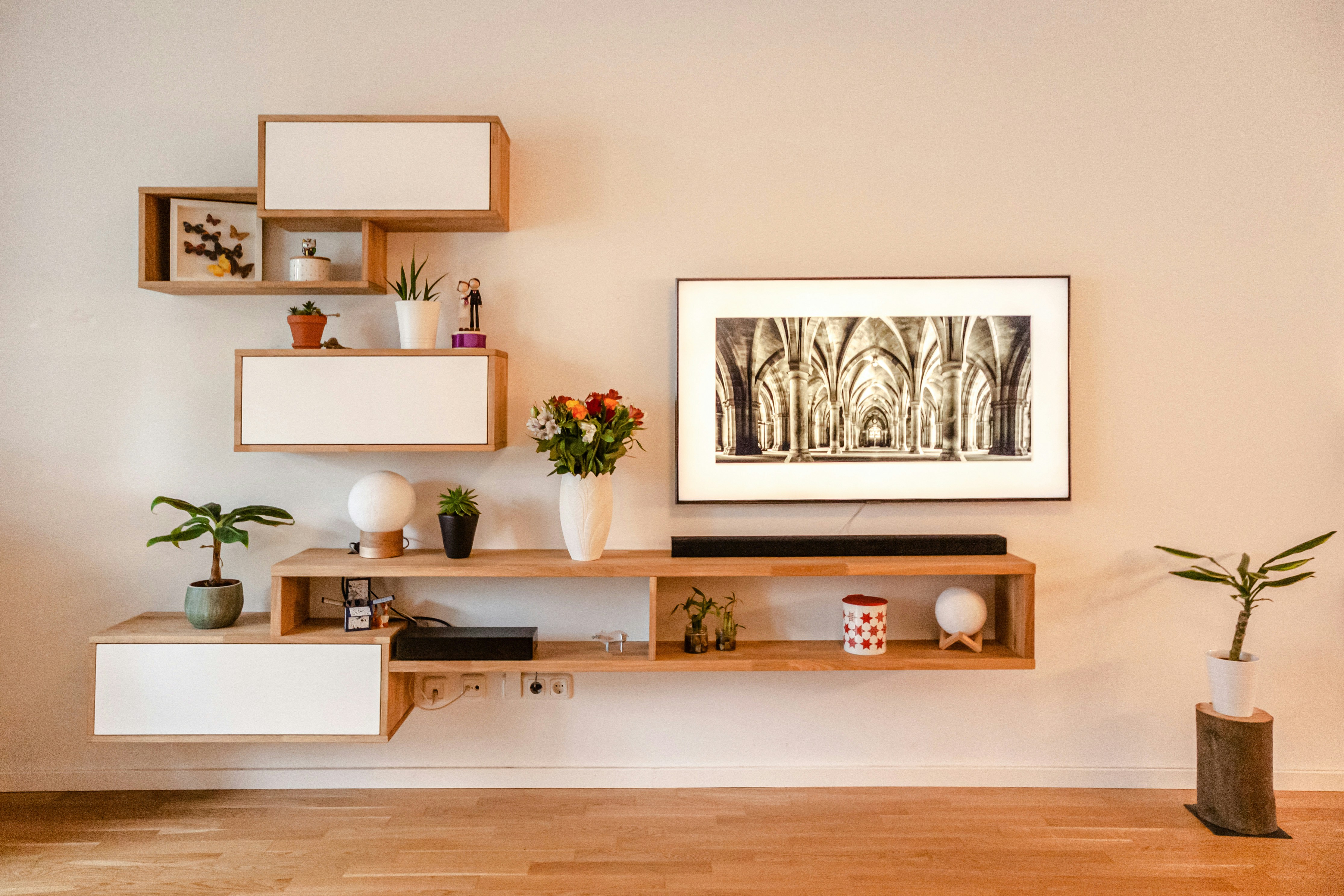
Wood furniture often holds more than monetary value. Dining tables become family gathering places, antique dressers carry generations of memories, and handcrafted bookshelves represent years of careful investment. Because of that, storing wooden furniture requires more planning than simply placing it inside an empty unit and locking the door. Fortunately, climate-controlled storage is not the only way to protect your belongings. With proper preparation, careful packing, and thoughtful organization, wood furniture can remain in excellent condition even in a traditional storage unit. If you're looking for convenient storage options in Rathdrum or exploring nearby self-storage locations, understanding these best practices can help preserve your furniture for months or even years.
Living near Rathdrum also means many homeowners enjoy outdoor activities throughout the year. Residents frequently spend weekends exploring Farragut State Park, boating on nearby Lake Pend Oreille, hiking local trails, or enjoying the many recreational opportunities throughout Kootenai County. These adventures often lead homeowners to free up garage or household space, making self-storage an excellent solution for protecting valuable furniture while enjoying everything North Idaho has to offer.
Key Points for Readers Short on Time
- Clean every wood surface thoroughly before placing furniture into storage.
- Never wrap wood directly in plastic because trapped moisture can damage finishes.
- Elevate furniture off concrete floors using pallets or boards.
- Leave space around furniture to allow consistent air circulation inside the unit.
- Visit your storage unit periodically to inspect furniture and address small issues before they become expensive repairs.
Why Wood Furniture Requires Special Care
Wood is a natural material that continues to react to its environment long after it has been crafted into furniture. Unlike plastic or metal, wood expands and contracts as surrounding humidity changes. While climate-controlled storage minimizes these fluctuations, careful preparation can greatly reduce the risk even inside a traditional storage unit. The goal is not to eliminate every environmental change but rather to prevent rapid shifts, trapped moisture, excess pressure, and poor airflow. Most storage-related damage occurs because furniture was packed improperly rather than because the storage unit itself was unsuitable. Fortunately, a little extra preparation before moving day often makes the biggest difference.
Start with a Thorough Cleaning
One of the biggest mistakes people make is storing furniture exactly as it sits inside the home. Dust, body oils, food residue, and household grime may seem harmless, but they can slowly stain finishes or attract insects during long-term storage. Begin by dusting every surface using a microfiber cloth. Next, use a wood-appropriate cleaner to remove any remaining residue. Avoid soaking the furniture with water, since excessive moisture can penetrate joints or unfinished areas. Allow every piece to dry completely before wrapping or moving it. Even small amounts of trapped moisture may eventually create mildew, discoloration, or swelling. For unfinished wood, simply remove dust carefully without applying excessive cleaners that could leave unwanted residue.
Inspect Furniture Before Packing It Away
Cleaning is also the perfect opportunity to inspect every piece closely. Small problems often become much larger after several months in storage. Look carefully for loose hardware, cracked joints, chipped finishes, missing screws, or wobbly legs. Tighten fasteners where necessary and complete minor repairs before storing the furniture. Taking photographs before storage can also be surprisingly valuable. Images provide documentation of the furniture's condition and make reassembly easier if pieces are taken apart.
Disassemble Large Pieces Whenever Possible
Many wooden furniture items are designed to come apart safely. Dining tables often allow legs to be removed. Bed frames separate into manageable sections. Shelving units frequently have removable shelves. Taking advantage of these features reduces stress on joints while making transportation significantly easier. Store screws, bolts, washers, and brackets inside labeled plastic bags that are securely taped to the appropriate furniture piece. This simple habit prevents frustrating searches months later. When stacking disassembled components, place protective moving blankets or cardboard between each section to prevent scratches.
Choose Breathable Protection Instead of Plastic
This is perhaps the single most important rule when storing wood furniture without climate-controlled storage. Plastic seems like excellent protection because it blocks dust. Unfortunately, it also traps moisture. When moisture cannot escape, condensation may develop underneath the plastic. Over time, this trapped moisture can lead to mold, mildew, cloudy finishes, or warped wood.
Instead, use:
- Moving blankets
- Cotton furniture covers
- Breathable canvas covers
- Old clean sheets
These materials protect against dust while still allowing air circulation around the furniture. Plastic may still be useful for protecting hardware or small accessories, but it should not remain tightly wrapped around finished wood for extended periods.
Keep Furniture Off the Floor
Even inside a clean storage facility, placing furniture directly on concrete is not ideal. Concrete naturally retains and transfers small amounts of moisture over time. While this may never become noticeable, elevating furniture provides an additional layer of protection while improving airflow underneath each piece. Wooden pallets, plastic pallets, or simple two-by-four runners work well for creating separation between furniture and the floor. This also makes cleaning around stored furniture much easier if you visit the unit periodically.
Allow Air to Circulate Throughout the Unit
It can be tempting to maximize every square foot by packing furniture tightly together. However, overcrowding reduces airflow and increases the likelihood that moisture becomes trapped between large items. Instead, leave several inches between larger furniture pieces whenever possible. Air circulation helps finishes remain stable and also makes routine inspections easier. This same principle applies throughout your storage unit. Creating narrow walking paths allows you to access furniture without moving everything each time you visit. If you're looking for additional organization strategies, the guide on packing your storage unit like a pro offers practical techniques for maximizing space while protecting valuable belongings.
Avoid Stacking Heavy Items on Wooden Furniture
Wood furniture is built to support weight during everyday use, but long-term storage creates different conditions. Heavy boxes stacked on tabletops may leave permanent indentations. Weight placed on chair arms can weaken joints over time. Pressure applied unevenly may eventually cause slight warping or structural movement. Instead of using furniture as shelving, position heavier boxes beside larger items. When stacking lightweight pieces, always distribute weight evenly and place protective blankets between surfaces.
Protect Drawers, Doors, and Glass Components
Many furniture pieces contain delicate moving parts that deserve additional attention before storage. Remove glass shelves whenever possible and wrap them separately using appropriate packing materials. Cabinet doors should be gently secured so they do not swing open during transport. Drawers can either be removed and wrapped individually or secured with soft cotton straps. Avoid using adhesive tape directly on finished wood surfaces because removing the tape later may damage varnish or leave stubborn residue.
Choose the Right Position for Every Piece
Furniture often lasts longer when stored in its normal position. Tables should remain upright. Dressers should stand on their feet rather than resting on their backs. Bookcases should remain vertical whenever practical. Standing furniture naturally distributes weight according to its original design, reducing unnecessary stress on joints and fasteners. Mattresses, cushions, and upholstered items should never lean heavily against wooden furniture because continuous pressure may leave marks or cause shifting over time.
Check on Your Furniture Occasionally
One advantage of self-storage is the ability to access your belongings whenever needed. Instead of storing furniture and forgetting about it for years, consider visiting every few months. During each visit:
- Inspect furniture covers.
- Look for signs of moisture.
- Check that furniture remains level.
- Confirm no boxes have shifted onto delicate surfaces.
- Dust exposed areas if necessary.
Small adjustments during these inspections can prevent much larger restoration projects later.
Think Beyond Storage and Plan for the Return Home
Eventually, your furniture will return to daily use. Planning for that moment helps avoid accidental damage during the move-out process. Transport furniture using moving blankets instead of dragging pieces across the truck floors. Reassemble carefully using the labeled hardware you stored earlier. Once indoors, allow wood furniture to adjust gradually to its new environment before applying polish or refinishing products. If you're completing home renovations before moving furniture back inside, you'll also find helpful ideas in this guide on storing a washer and dryer during remodeling. Many of the same planning techniques can simplify an entire remodeling project.
Enjoy More Space While Protecting Valuable Furniture in Rathdrum
Many homeowners throughout Rathdrum appreciate having additional space while preparing for renovations, reorganizing their homes, or simply making room for seasonal hobbies. After spending weekends hiking, camping, fishing, or exploring destinations like Farragut State Park and nearby Lake Pend Oreille, having an organized home becomes even more valuable. Information about local parks and recreation opportunities can be found through the Idaho Department of Parks and Recreation.
Proper storage is not about finding the most expensive solution. It is about preparing furniture correctly, allowing it to breathe, organizing the storage unit thoughtfully, and performing occasional inspections. These habits significantly reduce the risk of damage while preserving furniture that may remain part of your family for decades. If you're comparing storage options in Rathdrum or exploring nearby self-storage locations, understanding these storage techniques can help ensure your wood furniture remains beautiful, sturdy, and ready to return home whenever you need it.
Categories